
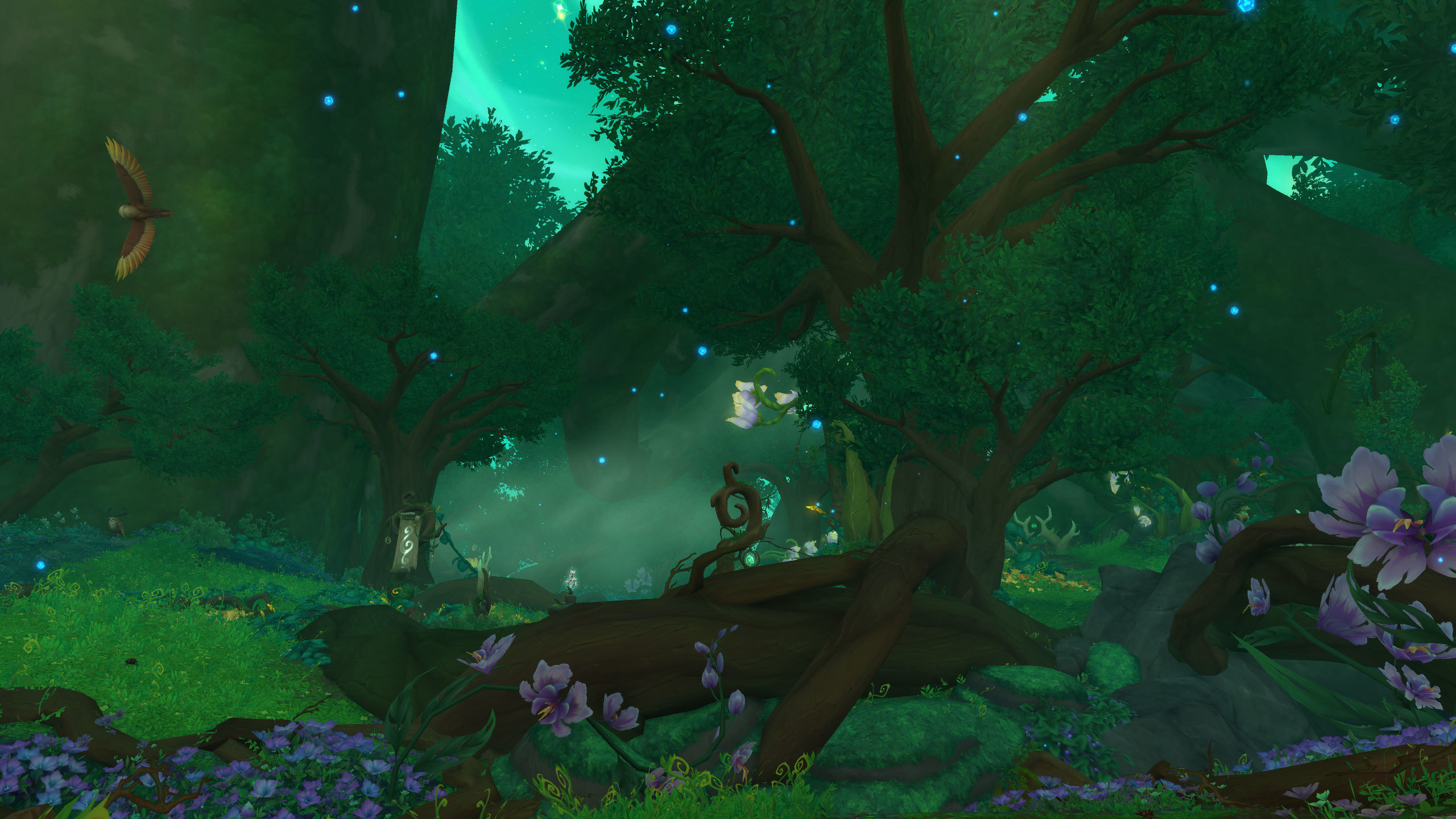
Introduction. The forests, deserts, and oceans of Azeroth are alive—not just with monsters to hunt, but with ecosystems that tell their own stories. Every creature, from the majestic kodo of Mulgore to the lurking crocolisks of the Swamp of Sorrows, serves a purpose beyond gameplay mechanics. World of Warcraft’s wildlife is one of its most subtle storytelling tools, reflecting the culture, climate, and moral tone of each zone. These living worlds remind players that Azeroth isn’t just a battlefield—it’s a planet with history, balance, and natural rhythm.
This article explores how wildlife enriches worldbuilding in WoW, how ecosystems evolve alongside lore, and why understanding these creatures makes Azeroth feel truly alive.
Nature as Narrative
From the moment players step into a new zone, the local fauna sets the tone. Predators, scavengers, and magical beings all occupy their own place in the world’s ecology. In The Barrens, herds of kodo and prowling lions illustrate the harsh survivalism of the savanna, while the peaceful gazelles of Nagrand evoke harmony and serenity. Each creature tells a story about its environment—and the balance that sustains it.
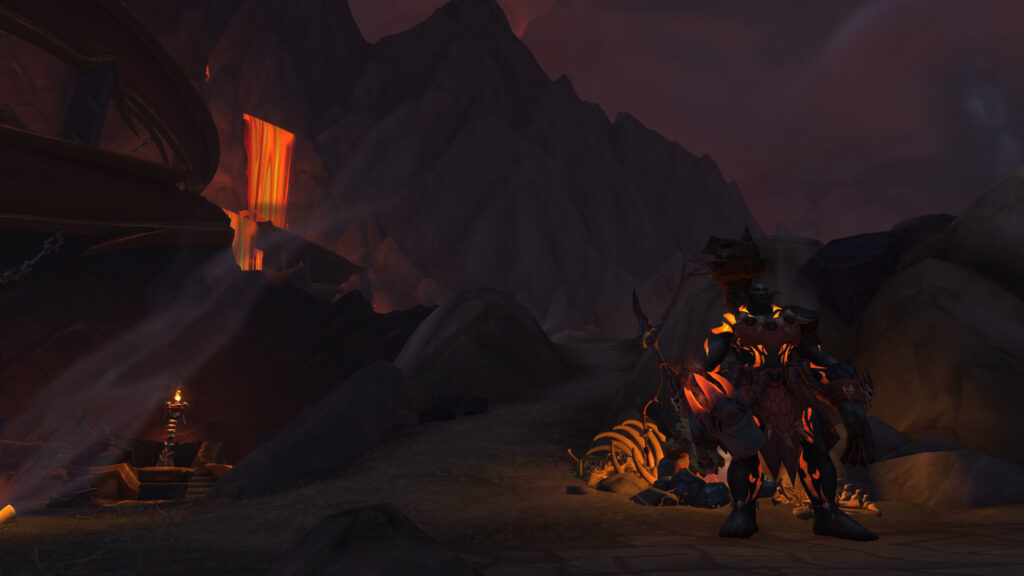
Blizzard’s approach to ecological storytelling gives texture to its zones. Even without quest text, players can infer a region’s culture, danger, and mythology simply by observing its wildlife.
The Cultural Significance of Fauna
Wildlife in WoW is rarely decorative—it often symbolizes the values and traditions of its inhabitants. The Tauren revere the plains creatures as spiritual kin, while the Night Elves share a sacred connection to the forest’s beasts. The Pandaren cultivate harmony between predator and prey, while the Trolls worship animal spirits, the Loa, as divine manifestations of nature itself.
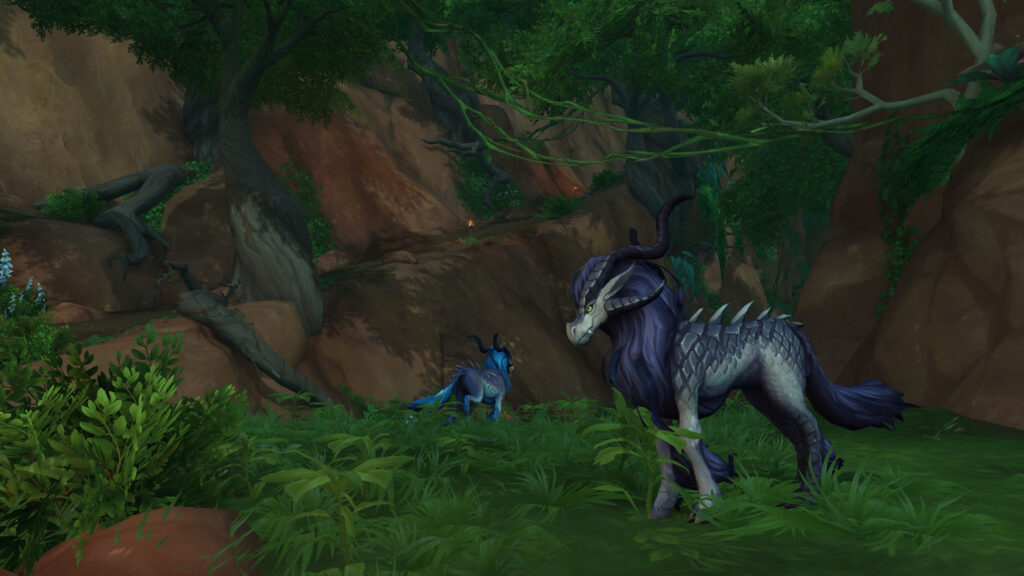
By embedding cultural meaning in fauna, Blizzard transforms wildlife into narrative bridges between player and world. The creatures players fight, protect, or tame reflect the moral and spiritual diversity of Azeroth’s peoples.
Environmental Consequences and Ecological Themes
Several storylines in WoW highlight the fragility of ecosystems. Zones like Felwood and Blasted Lands show the devastating effects of corruption and magical imbalance. The lifeless soil, mutated flora, and warped creatures demonstrate what happens when nature’s equilibrium is broken. Conversely, the lush renewal of Val’sharah and Dragon Isles symbolizes recovery and harmony restored through courage and respect for life.
These ecological narratives give the game emotional weight, turning environmental storytelling into allegory for human responsibility and stewardship.
The Role of Beasts in Gameplay and Lore
Beyond aesthetics, wildlife also shapes gameplay and lore progression. Hunters bond with beasts that embody personality and loyalty, creating emotional connections that transcend mechanics. Druid forms draw directly from animal archetypes—each one representing aspects of nature’s power. Even hostile mobs like wolves or harpies aren’t random enemies; they’re woven into the fabric of regional storytelling, serving as reflections of local myths or natural order.
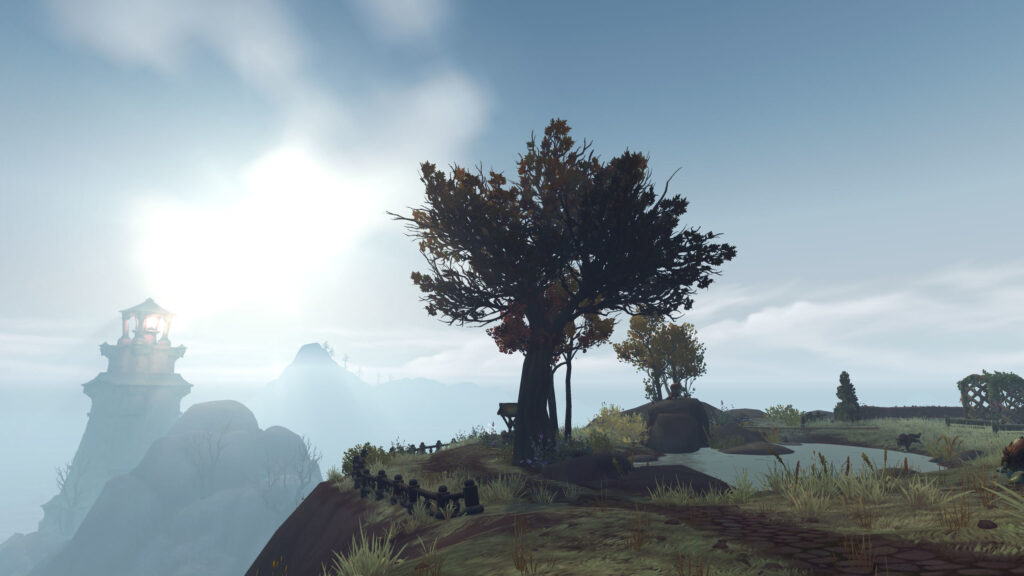
By blending narrative with functionality, Blizzard ensures that even a simple bear in Elwynn Forest tells a story about survival, strength, and the world’s interconnectedness.
Zones as Living Ecosystems
Each zone in Azeroth is an ecological microcosm. Predators hunt prey, magical creatures coexist with mundane animals, and natural cycles continue regardless of player intervention. Watching a raptor chase prey or critters scatter during combat gives the illusion of an independent world. These small touches transform Azeroth from a static map into a living, breathing environment—one that feels older and richer than any questline could express alone.
Conclusion
Azeroth’s wildlife matters because it reminds players that life thrives even beyond the story’s spotlight.
The world feels authentic not through scale, but through detail—the rustle of wings in the forest, the roar of a distant beast, the quiet companionship of a hunter’s pet. By treating its fauna as storytellers, Blizzard has built an ecosystem of meaning where every creature, no matter how small, helps define the heart and soul of the world.

Leave a Reply