
Every class in World of Warcraft has a fantasy, but every specialization has something even more important: a rhythm. Whether you’re building resources, spending them, reacting to procs, or timing cooldowns, your spec has a pulse. Blizzard intentionally designs every spec to “feel” distinct in pacing, energy, and flow. This rhythm is what makes a Frost Mage feel icy and methodical, a Fury Warrior feel chaotic and explosive, and a Restoration Druid feel fluid and adaptive.
Behind each combat heartbeat lies years of iteration, class identity theory, and careful tuning. This article explores how Blizzard builds these rhythms, why they matter, and how each spec maintains a signature pace that keeps gameplay fresh across expansions.
Designing Around Identity Before Mechanics
Before a spec gets abilities, resource systems, or cooldowns, it gets an identity. This identity defines the emotional fantasy behind the class: “unstoppable force,” “shadow manipulator,” “agile predator,” “holy protector.” Blizzard builds combat rhythms around these concepts. Only then do they introduce mechanics that align with the spec’s emotional tone.
This ensures that every gameplay mechanic reinforces the core fantasy instead of existing as arbitrary buttons.
Resource Systems Shape the Beat
A spec’s resource system forms the backbone of its rhythm. Rage builds in bursts. Arcane charges ebb and surge. Combo points accumulate and vanish. Insanity floods and drains. These systems naturally dictate pacing—fast builders feel frenetic, while slow generators feel deliberate and heavy.
Blizzard intentionally fine-tunes resource generation to support this pacing rather than override it.
Table: How Resource Systems Define Combat Rhythm
Each resource system in World of Warcraft creates a distinct tempo. Blizzard uses these systems to establish the baseline flow of a spec’s rotation.
| Resource System | Rhythm Type | Spec Examples |
|---|---|---|
| Rage | Chaotic, momentum-driven burst windows | Arms Warrior, Fury Warrior |
| Energy | Fast, steady regeneration | Rogue, Feral Druid |
| Runes & Runic Power | Alternating cycles of heavy strikes and resource spending | Death Knight specs |
| Holy Power | Short cycles of builder-spender gameplay | Retribution Paladin |
| Insanity | Gradual rise into intense burst phases | Shadow Priest |
| Maelstrom / Astral Power | Flow-based gameplay with big spell peaks | Elemental Shaman, Balance Druid |
These systems give each spec a rhythm players can feel, even without thinking about it.
Cooldowns: Setting Highs and Lows in Combat Flow
Cooldowns create dramatic shifts in tempo. A spec may feel steady most of the time, but activating a major cooldown like Avenging Wrath, Metamorphosis, or Celestial Alignment creates a spike of intensity. Blizzard carefully positions these cooldowns to ensure the rhythm has satisfying high points and recovery periods.
The contrast between normal rotation and cooldown burst windows keeps gameplay emotionally engaging.
Procs Add Improvisation to the Rhythm
Random procs—like Hot Streaks for Fire Mages, Brain Freeze for Frost Mages, or Sudden Death for Warriors—add spontaneity to a rotation. These moments break the pattern, creating micro-surges of excitement. Blizzard designs procs to trigger just often enough to feel rewarding without creating chaos.
This blend of structure and improvisation is one of WoW’s most successful combat design elements.
Animation Timing Reinforces the Feel
Visuals and animations influence how players perceive rhythm. A Fire Mage’s combustion animations feel frantic because the visuals are fast and bright. An Unholy Death Knight’s abilities feel methodical because the animations drag slightly, emphasizing weight and decay.
Blizzard syncs animation timing with gameplay pacing to reinforce the emotional experience of each spec.
Spec Sound Design Creates Musical Pace
Audio design also influences rhythm. The pop of a Crusader Strike, the slash of a Sinister Strike, or the rumble of a Chaos Bolt each adds auditory feedback that shapes how players interpret pacing. Sound cues signal when abilities land, when procs activate, and when rotations hit peak intensity.
Every spec has an audio identity that subtly guides its combat rhythm.
Hero Talents and the Evolution of Combat Identity
The introduction of Hero Talents expands the rhythm of each spec by adding new layers of complexity or intensity. These talents reinforce core themes: Fire Mages become more explosive, Rogues gain faster combo flow, Shamans amplify element cycles, and Warriors strengthen their momentum-driven bursts. Blizzard designed Hero Talents not just as power increases but as extensions of each spec’s existing rhythm.
These micro-evolutions keep combat fresh without rewriting class identity.
The Importance of “Rotation Feel” Over Raw Numbers
Damage output can be tuned at any time, but rotation feel defines whether players enjoy the spec. Blizzard prioritizes pacing, flow, and satisfaction when polishing a rotation. Even powerful specs get redesigned if their rhythm feels clunky, and weaker specs can remain beloved if their rotation feels smooth.
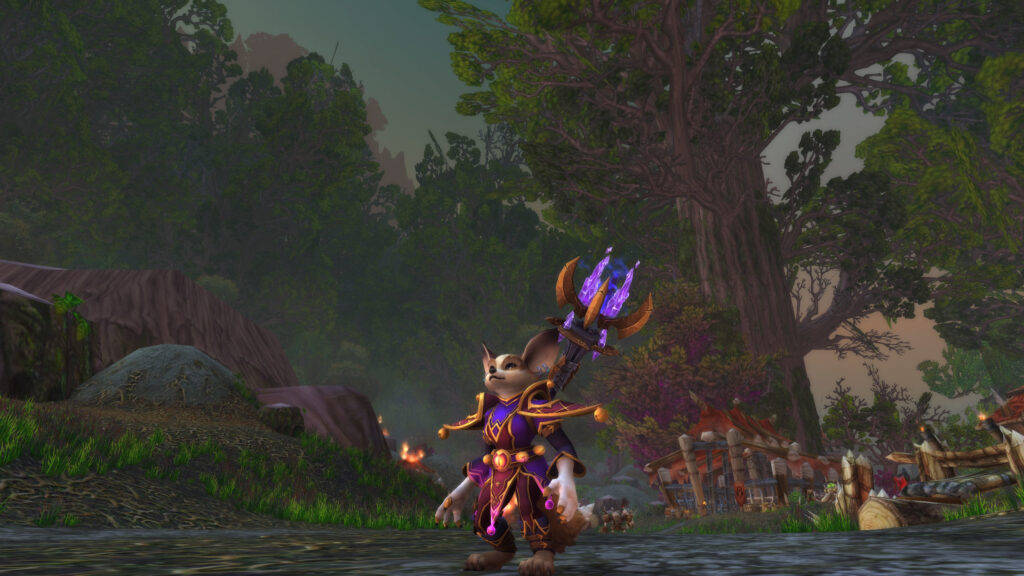
Blizzard understands that rhythm—not damage—is what gives a spec soul.
Why Players Connect Emotionally With Combat Rhythm
Players often describe their favorite specs using emotional language—“smooth,” “chaotic,” “heavy,” “fast,” “mesmerizing.” These feelings come directly from rhythm. When a rotation clicks, the spec feels like an extension of the player. It produces flow, a psychological state where actions blend seamlessly without conscious thought.
This emotional engagement is what keeps players loyal to their mains for years.
Conclusion
Blizzard creates unique combat rhythms for every spec by combining resource systems, cooldown pacing, animation timing, sound design, procs, and narrative identity. These rhythms give each specialization a signature heartbeat that players connect with on a deep level. Whether it’s the explosive bursts of a Fury Warrior, the trance-like buildup of a Shadow Priest, or the fluid casting of a Restoration Druid, every spec offers a distinct emotional experience.
This is what makes WoW’s combat system timeless. Beyond numbers and tuning, the rhythm of each spec ensures that players find something that feels uniquely—and personally—right for them.

Leave a Reply