

As the clock’s hands dance unnoticed, you’re ensnared in World of Warcraft’s intricate web, not realizing the hours you’ve devoted to its vast, pixelated lands. You’ve felt the game’s grip, haven’t you? It’s as if the very code is woven with a kind of digital magic, one that whispers promises of epic quests and legendary loot with each login. You’re aware of the game’s hold on you, and perhaps you’re curious about the invisible threads that tug at your attention, compelling you to return. It’s an intricate tapestry of psychological nuances, and it’s no accident that WoW has become the behemoth of the MMORPG world. As we embark on this journey to uncover the mechanics of attraction within Azeroth, you might find the answers to why this virtual world can sometimes seem more appealing than your own. It’s a quest that could change not just the way you view this game, but potentially all games. Shall we begin?
Understanding the Hook Model
To grasp why World of Warcraft (WoW) is so captivating, it’s essential to understand the Hook Model, a concept that outlines the cycle of cues, routines, rewards, and investments that keeps players engaged. As you dive into this online game, you’re lured by a series of cues—quests and social interactions that prompt you to log in. These cues initiate your routines: the gameplay itself, where you grind for levels and gear.
The rewards come in various forms, from the satisfaction of completing a challenging raid to the acquisition of rare items that boost your status in the massively multiplayer world. Each reward fuels your desire to continue, reinforcing the cycle.

However, the truly addictive aspect of WoW lies in the investment phase. The time and effort you pour into your character create a sense of ownership and attachment. This investment isn’t just about the in-game achievements but also the social bonds you form, which can be as compelling as any video game addiction.
To maintain a balanced life while indulging in addictive games like WoW, you must recognize the Hook Model at play. Acknowledge the pull of these elements but set limits to ensure that your gaming remains a pleasurable part of a well-rounded lifestyle, not an all-consuming pastime.
Social Dynamics and Community
While the Hook Model explains the core mechanics of World of Warcraft’s addictive qualities, the game’s social dynamics and community aspects significantly amplify its engrossing nature. You’re not just playing a game; you’re becoming part of a vibrant community that often extends into your real life social life.
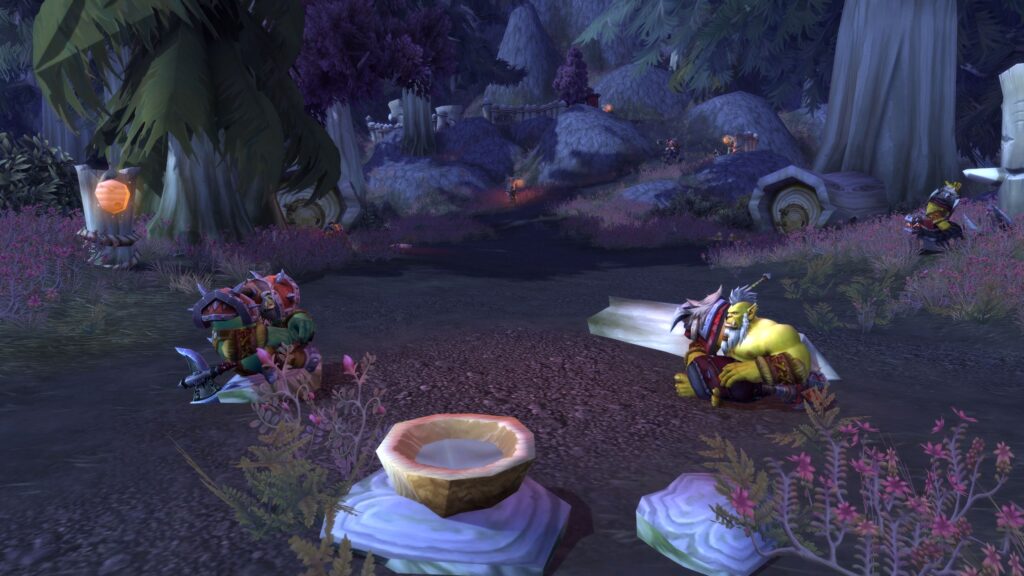
The sense of belonging and the friendships you form within the game can be as meaningful as those in the outside world. Here’s how the social aspect hooks you in:
- Guild Membership: Joining a guild fosters a sense of loyalty and camaraderie, making you feel like you’re part of a family.
- Cooperative Play: Teaming up for dungeons and raids necessitates coordination and builds social bonds.
- Social Networking: The game acts as a social platform where you can chat, share experiences, and create memories with others.
- Role-playing Opportunities: Engaging in character-driven narratives lets you explore identities and relationships in a safe environment.
- In-Game Achievements: Sharing triumphs and supporting each other through challenges enhances the collective experience.
Video games like World of Warcraft offer an alternative social life that can feel just as rich and engaging as interactions in the physical world. It’s this blending of the virtual with the real that keeps you logging back in, eager for the social connections that await.
Progression and Reward Systems
Fueling your desire to play, World of Warcraft’s progression and reward systems offer a continuous stream of goals and gratifications that keep you deeply engaged. The more you delve into Azeroth, the more you’re rewarded with powerful gear, prestigious titles, and awe-inspiring mounts. Each quest completed, dungeon conquered, or player defeated adds a layer to your in-game persona, making the investment in your character feel both personal and progressive.
You’re not just playing; you’re building a legacy in a world that rewards every step of your journey. The incremental progress and the occasional jackpot of a rare item drop serve as both motivation and reward. It’s the classic carrot on a stick, but oh, how polished that carrot is!
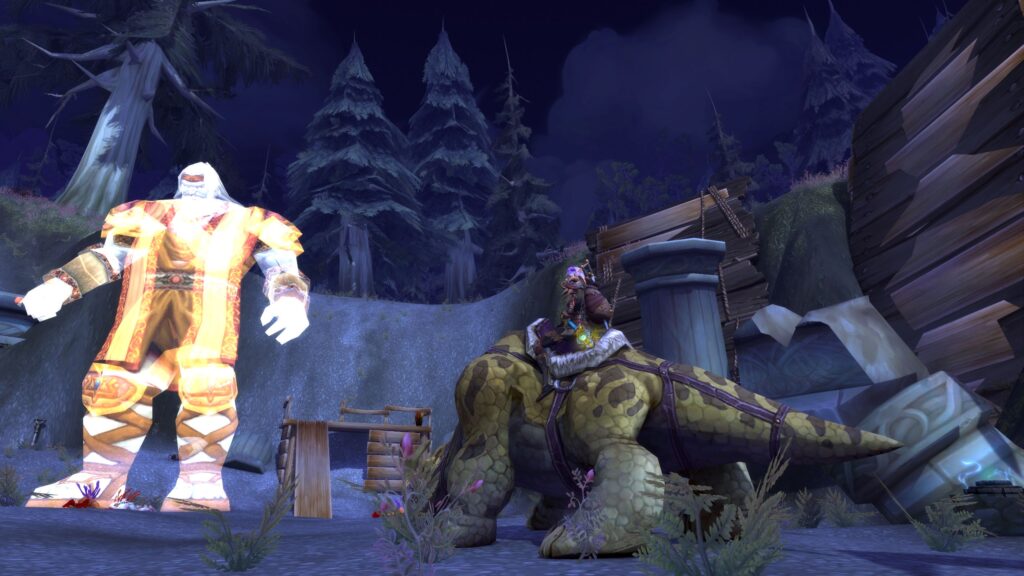
And let’s not forget the badges of honor – achievements that chronicle your feats and collections that display your dedication. They’re not just a record; they’re a showcase for the time and effort you’ve poured into the game. Every new expansion brings a fresh set of goals, ensuring the game never feels stale. You’ve always got something to aim for, and WoW expertly taps into your brain’s reward centers to keep you coming back for more.
Escapism and Fantasy Fulfillment
Diving into the realm of Azeroth, you’re not just playing a game—you’re living out fantasies in a world where you can be the hero of your own epic saga. It’s where you can cast off the shackles of your everyday life and step into a role you’ve always dreamed of. You’re not just escaping reality; you’re reshaping it to fit the narrative you’ve always wanted to live.
Escapism in World of Warcraft is a potent psychological force. It taps into deep-seated desires for adventure, power, community, and achievement. Consider these enticing elements that keep you coming back for more:
- Alternate Identity: You get to create and embody a character vastly different or perhaps idealized compared to your real-world self.
- Boundless Exploration: The game offers an expansive world teeming with mysteries and wonders you can’t find in your daily routine.
- Social Connectivity: You’re part of a community, forging friendships and alliances that transcend the pixels on your screen.
- Personal Achievement: Each quest completed and level gained validates your efforts in a way that’s immediately gratifying.
- Control: In Azeroth, you’re in charge. You decide the pace, the path, and the destiny of your character.
This blend of escapism and fantasy fulfillment is what makes the siren call of World of Warcraft so hard to resist. You’re not just killing time; you’re living a second life where you’re the master of your fate and the captain of your soul.
Sunk Cost and Commitment
Beyond the allure of living out fantasies, you’re also anchored to World of Warcraft by the sunk costs of time and energy you’ve invested, compelling you to continue playing to justify past commitments. It’s like you’ve poured so much into Azeroth that the idea of stepping away feels like you’d be losing a part of yourself. This isn’t just about the hours you’ve clocked; it’s the relationships you’ve formed, the gear you’ve collected, and the reputation you’ve built.
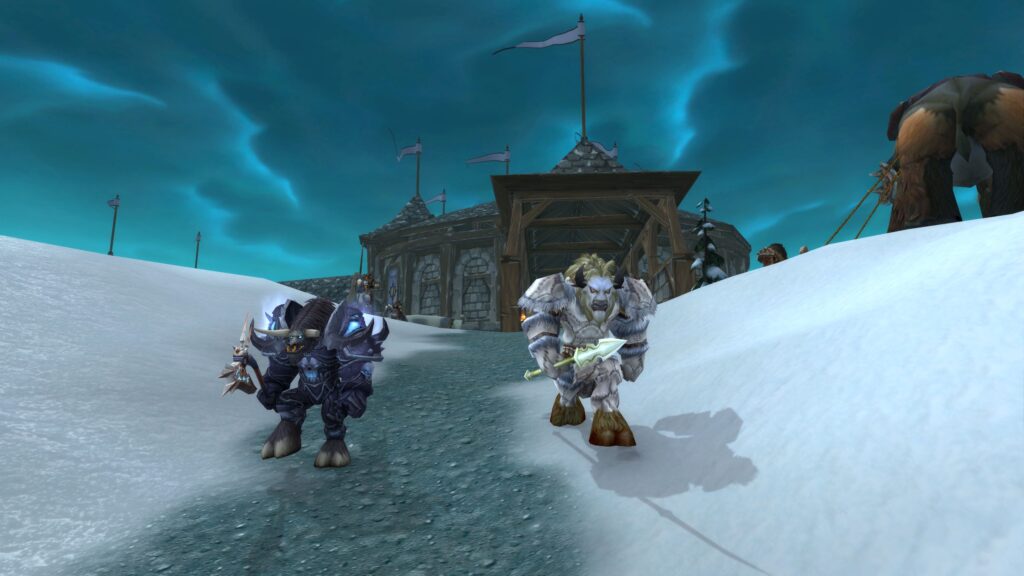
The more you’ve invested, the harder it is to leave. It’s a cycle that feeds on itself; you play more to justify what you’ve already played. And let’s not forget the in-game achievements and progress that feel like tangible evidence of your dedication. They’re like badges of honor, making it even tougher to just walk away.
Think about it – when you’ve spent weeks, maybe months, working on a particular raid or leveling up a character, the thought of all that effort going to waste if you stop playing is daunting, isn’t it? It’s this sense of commitment, fueled by the sunk costs of your time and effort, that keeps you logging in, long after the initial novelty has worn off.
Frequently Asked Questions
How Does the Design of World of Warcraft’s In-Game Events and Holidays Contribute to Player Retention and Potential Addictive Behavior?
You’re hooked from the start as WoW’s in-game events and holidays keep you coming back for unique rewards and social experiences, fueling your desire to stay engaged and potentially feeding addictive tendencies.
Can Playing World of Warcraft Improve Real-World Skills, and if So, Does This Contribute to Its Addictiveness?
Yes, you can improve real-world skills like strategic planning and teamwork in WoW, and that sense of mastery likely fuels your desire to keep playing. It’s a rewarding cycle that’s hard to quit.
How Does the Audiovisual Feedback in World of Warcraft, Such as Music and Graphics, Play a Role in the Game’s Addictive Qualities?
You’re drawn into WoW’s world through its captivating music and vibrant graphics, which constantly reward your senses and keep you coming back for more, enhancing the game’s addictive pull.
In What Ways Does World of Warcraft’s Market and Economy System Engage Players in Addictive Behaviors, Beyond Just the Gameplay Mechanics?
You’re hooked because WoW’s market system mimics real-life economics, rewarding your grind with in-game wealth, pushing you to play more to maintain or improve your virtual financial status. It’s a compelling cycle.
Are There Any Psychological Differences in Addiction Patterns Between Solo Players and Those Who Primarily Engage in Group Content Within World of Warcraft?
You’re in the same boat with many; WoW’s allure varies. Solo players might get hooked on self-progress, while group players often crave social bonds, both leading to different psychological addiction patterns.
Take a look at wow keystone hero carry!

Leave a Reply